
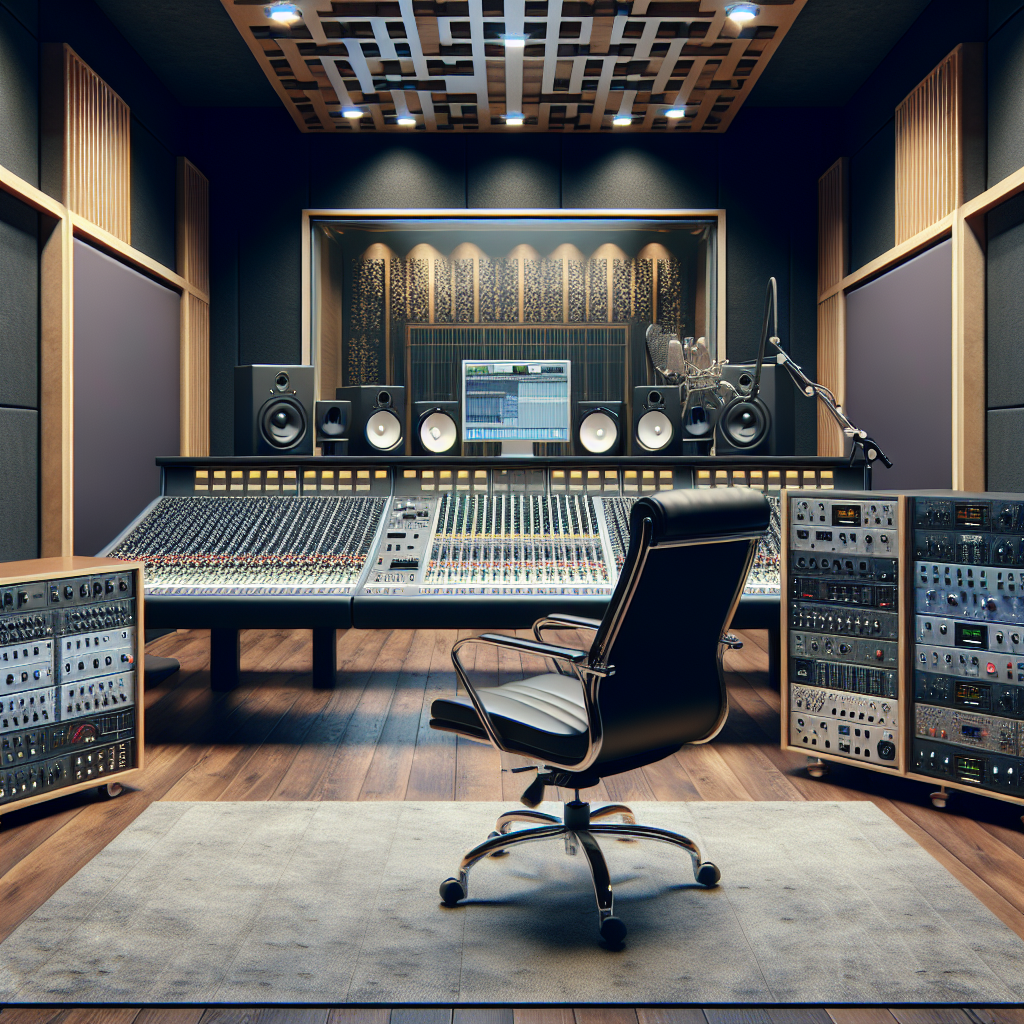
Role of Audio Mixing Engineer
Balancing levels, EQ, and effects while creating a cohesive and professional sound is key to the role of an audio mixing engineer. Working closely with individual tracks, I adjust volume levels to ensure clarity for each element within the mix. Utilizing EQ, or equalization, I sculpt the tonal balance of each track by enhancing specific frequencies and omitting others as needed. The addition of effects such as reverb, delay, and compression brings depth and dynamics to the mix. Ultimately, my objective is to harmoniously blend all components of a song or audio project to deliver an auditory experience that resonates with the listener.
Role of Mastering Engineer
In the final stage of audio production, the mastering engineer takes the mixed audio and ensures that it meets industry standards for quality and consistency. This involves making final adjustments to the overall balance of the audio, as well as enhancing the overall sound to prepare it for distribution and playback. Mastering engineers use tools such as compression, limiting, and stereo enhancement to achieve a polished and cohesive final product.
Key Differences Between Audio Mixing vs. Mastering
The key difference between audio mixing vs. mastering lies in their focus and goals. Mixing involves blending individual tracks together to create a cohesive and balanced sound. It is where the creative decisions are made regarding the placement of instruments, effects, and overall tonal balance. Mastering, on the other hand, focuses on the overall balance and enhancement of the final mix. It is the final step in the production process, where the audio is polished and prepared for distribution.
Importance of Audio Mixing in Audio Engineering
Audio mixing is a crucial step in the audio engineering process, as it is where all the individual elements of a track come together to create a cohesive whole. Balancing the levels of each track, sculpting the tonal balance with EQ, and adding effects are all essential in creating a professional and polished sound. Understanding the distinction between mixing and mastering is essential for any audio engineer, as it allows for a clear understanding of the different roles and processes involved in the production of high-quality audio.
Importance of Mastering in Audio Engineering
Mastering is equally important in the audio engineering process; as it is the final polish that the audio meets industry standards for quality and consistency. The mastering engineer’s role is to enhance the overall sound of the mix, making final adjustments to the balance and dynamics to prepare the audio for distribution and playback. Moreover, understanding the distinction between audio mixing and mastering is essential for any audio engineer, as it allows for a comprehensive and professional approach to the production of audio projects.
Ready to Elevate Your Audio? Start Your Project Now!
I am passionate about bringing your audio projects to life. Ready to kickstart your project and experience the magic of professional audio mixing and mastering? Click here to start your project journey today!